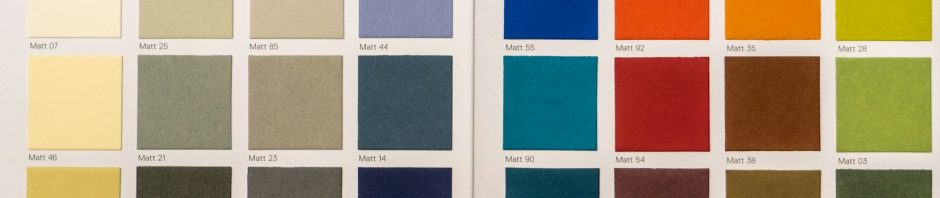
Color gets most of the attention, but sheen decides how forgiving a painted surface will be, and how well it stands up to scrubbing.
The essentials
- Sheen runs from flat, with no shine, to gloss. The shinier the paint, the more it shows dents, patches and roller marks.
- Flat and matte suit ceilings and low-traffic walls; eggshell and satin suit most living spaces.
- Semi-gloss and gloss are tough and easy to wipe clean, which is why they’re popular for trim, doors and cabinets.
- Names and shine levels vary between brands, so compare sample cards and test patches in your own light.
Two cans of the same color can look surprisingly different on the wall if their sheens differ. Sheen, sometimes called finish, describes how much light the dried paint reflects. It affects how the color reads, how much of the wall’s surface shows through and how easy the paint is to clean.
The sheens at a glance
| Sheen | Look | Good for | Keep in mind |
|---|---|---|---|
| Flat or matte | No shine; soft and even | Ceilings, adult bedrooms, low-traffic walls | Hides flaws best but is the hardest to scrub |
| Eggshell | A very low luster | Living rooms, bedrooms, hallways | Slightly more washable than flat; shows a few more flaws |
| Satin | A soft, velvety glow | Kitchens, kids’ rooms, busy hallways | Brush and roller marks can show if applied unevenly |
| Semi-gloss | A noticeable shine | Trim, doors, bathrooms | Highlights dents and patches on walls |
| Gloss | A high, reflective shine | Cabinets, railings, furniture | Shows every flaw, so preparation has to be excellent |
Each brand draws the lines a little differently. One company’s eggshell may be shinier than another’s satin, and some brands add in-between names like “low sheen” or “pearl.” Treat the table as a guide and judge the actual samples.
Choosing room by room
Living rooms and bedrooms. Eggshell is a safe default. It looks soft and hides minor wall imperfections while standing up to an occasional wipe. Flat or matte gives an even more velvety look in rooms that don’t see much wear.
Kitchens. Satin handles splashes and fingerprints better than lower sheens. Around the stove and sink, many people step up to semi-gloss on the backsplash wall or trim.
Bathrooms. Moisture and frequent cleaning favor satin or semi-gloss. Ventilation matters just as much: run the fan during and after showers. Our guide to re-caulking a tub covers keeping moisture in check.
Hallways, stairways and kids’ rooms. These walls collect scuffs and handprints, so satin is popular. Look for paints labeled scrubbable or washable.
Ceilings. Flat paint is the traditional choice. It reduces glare from lights and hides the ripples and seams that ceilings often have.
Trim, doors and cabinets. Semi-gloss and gloss resist chips and wipe clean, and the contrast with lower-sheen walls helps trim stand out.
Light and wall condition matter
Higher sheens reflect more light, which makes surface flaws easier to see. If your walls have patches, dents or an uneven texture, or a window throws light across them at a low angle, a lower sheen will be kinder.
The light in the room changes how a sheen looks, too. A satin wall can look almost flat in soft lamplight and noticeably shiny in strong afternoon sun. Our guide to layered lighting explains how different kinds of light change the way a room looks.
Test before you commit
- Buy sample pots or use peel-and-stick samples where available.
- Paint swatches at least a couple of feet square, ideally on more than one wall.
- Look at them in the morning, in the afternoon and under your lamps at night.
- Read the label for cleaning guidance. Some lower-sheen paints are designed to be scrubbable, so the old rule that flat paint can’t be washed isn’t always true.
Pro tip
Write the brand, color name and sheen on a piece of tape on the lid, and keep a note on your phone. Matching a touch-up years later is much easier when you know exactly what’s on the wall.
Sheen and repairs
Sheen is the main reason touch-ups show. Fresh paint over a patch can look shinier or duller than the wall around it, especially with satin and above. Prime repairs before painting, use the same paint and sheen, and when in doubt repaint the whole wall from corner to corner. Our guides to patching drywall and painting a room cover both steps.
Common questions
What’s the most popular sheen for walls?
Eggshell and satin are common choices for living rooms, bedrooms and hallways because they balance a soft look with easier cleaning than flat paint.
Which sheen is best for a bathroom?
Satin and semi-gloss are popular because they handle moisture and wipe clean. Some paints are made specifically for bathrooms, but good ventilation matters as much as the finish.
Can I paint over a glossy surface?
Yes, but new paint may not grip gloss well. Clean the surface, scuff it lightly with fine sandpaper and use a bonding primer if the paint label calls for one.
Why do touch-ups stand out?
A touch-up can dry shinier or duller than the surrounding wall, an effect often called flashing, and it’s more noticeable with higher sheens. Use the same paint and sheen, prime repairs, and repaint a whole wall section if needed.
This guide is general information, not professional advice. Follow the manufacturer’s instructions and your local building codes, and hire a licensed professional for electrical, gas, structural or roofing work.