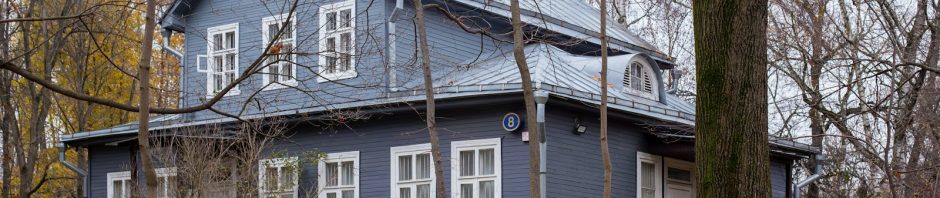
A few weekends of fall maintenance help head off frozen pipes, heating trouble and water damage before winter arrives.
The essentials
- Book a heating check-up in the fall; ENERGY STAR recommends annual pre-season tune-ups.
- Have chimneys and vents inspected and cleaned by a qualified professional every year, as the U.S. Fire Administration advises.
- Disconnect, drain and store garden hoses, and drain outdoor faucets before the first freeze, following Red Cross advice.
- Test smoke and CO alarms, check the furnace filter and clean the dryer vent.
- Clear gutters and downspouts so rain and melting snow drain away from the house.
Fall is the season when small problems either get fixed or turn into winter emergencies. A clogged gutter becomes an ice dam, a forgotten garden hose becomes a burst pipe, and a furnace that hasn’t been checked fails on the coldest night. This checklist gathers the jobs worth doing before the weather turns.
The checklist at a glance
| Task | Who usually does it | Why it matters |
|---|---|---|
| Clean gutters and downspouts | DIY or pro | Directs water away from the roof and foundation |
| Drain hoses and outdoor faucets | DIY | Helps prevent frozen and burst pipes |
| Heating system tune-up | Pro | Catches problems before you depend on the heat |
| Chimney and vent inspection | Pro | Reduces fire and carbon monoxide risks |
| Check or change the HVAC filter | DIY | Keeps air moving and the system efficient |
| Test smoke and CO alarms | DIY | Makes sure your early warning works |
| Clean the dryer vent | DIY or pro | Reduces a common cause of home fires |
| Seal drafts around windows and doors | DIY | Keeps heat in and cold air out |
Outside the house
Gutters and downspouts. Scoop out leaves and debris, flush the gutters with a hose and make sure downspouts carry water several feet away from the foundation. Gutter cleaning means ladder work, so read our ladder safety guide first.
The roof, from the ground. Use binoculars to look for missing or lifted shingles, damaged flashing around chimneys and vents, and sagging gutters. Leave repairs on the roof itself to a professional.
Trees and shrubs. Note branches hanging over the roof or touching the house. Large limbs and anything near power lines are jobs for a tree service.
Water and plumbing
The Red Cross offers practical steps to prevent frozen pipes:
- Disconnect, drain and store garden hoses.
- Close the inside valve that supplies each outdoor hose bib, then open the outside faucet so trapped water can drain.
- Drain supply lines to pools and sprinkler systems according to the manufacturer’s or installer’s directions.
- Insulate attics, basements and crawl spaces, which helps keep pipes in those areas warmer.
During severe cold, the Red Cross also suggests letting a faucet on an exposed pipe drip slightly, and keeping the heat no lower than 55°F if you’re away.
Pro tip
Find your home’s main water shutoff valve now and make sure it turns. If a pipe ever bursts, knowing where it is can save a lot of water damage.
Heating
Schedule a tune-up. ENERGY STAR recommends annual pre-season check-ups by a contractor, with heating checked in the fall. A technician can check gas or oil connections, burner combustion and the heat exchanger, along with controls and electrical connections.
Check the filter. ENERGY STAR advises checking it monthly in heavy-use months and changing it at least every 3 months. Our HVAC filter guide covers sizes and MERV ratings.
Chimneys and fireplaces. The U.S. Fire Administration recommends having chimneys and heating equipment inspected and cleaned by a qualified professional every year.
Space heaters. USFA advises keeping anything that can burn at least 3 feet away from heating equipment, including space heaters, fireplaces and wood stoves. Turn space heaters off when you leave the room or go to bed, and never use an oven to heat your home.
Safety first
Fuel-burning heating equipment can produce carbon monoxide if it’s damaged or poorly vented. Working CO alarms on every level and outside sleeping areas are essential, and they should be tested monthly.
Safety checks inside
- Test smoke and CO alarms and check their manufacture dates. Our guide to smoke and CO alarms explains placement and replacement.
- Clean the dryer vent. See our step-by-step dryer vent guide.
- Check fire extinguishers, making sure they’re easy to reach and the pressure gauge, if there is one, reads in the operating range.
Drafts and comfort
Feel for cold air around windows, doors and where pipes and wires enter the house. Replace worn weatherstripping, add door sweeps where you see daylight under exterior doors, and re-caulk gaps around window and door frames. Our guide to re-caulking a tub covers the same caulking technique.
Keep a simple record
Note what you did and when, along with filter sizes, the date of the last chimney inspection and any repairs a contractor recommended. Next fall, the list will take half the time.
Common questions
When should I start fall maintenance?
Early fall, before the first hard freeze and before you rely on the heat every day. Gutters may need a second cleaning once most of the leaves have fallen.
What temperature should I leave the heat at when I travel in winter?
The Red Cross advises keeping the thermostat set no lower than 55°F while you’re away, to help prevent frozen pipes.
Do gutter guards mean I can skip gutter cleaning?
They usually mean cleaning less often, not never. Debris can collect on top of guards and fine material can get through, so check them each fall and after big storms.
Is it safe to clean gutters myself?
It can be on a single-story home, with a sturdy ladder set up correctly and someone nearby. For tall or steep roofs, or if you’re not comfortable on a ladder, hire a professional.
This guide is general information, not professional advice. Follow the manufacturer’s instructions and your local building codes, and hire a licensed professional for electrical, gas, structural or roofing work.